Why GLDS Is Better Than Traditional Overhead Power Lines
As infrastructure continues to evolve, so does the way electricity is delivered to homes and businesses. One of the most innovative advancements in power distribution is the Ground Level Distribution System (GLDS). Unlike traditional overhead power lines, GLDS offers a safer, more reliable, and aesthetically pleasing alternative. As communities look for smarter and more efficient solutions, GLDS is quickly gaining attention as the future of electrical distribution.
What Is GLDS (Ground Level Distribution System)
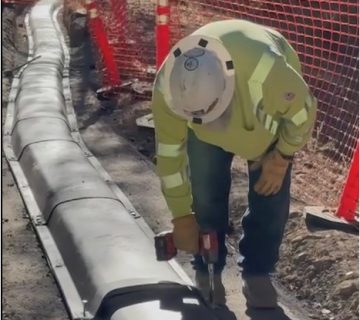
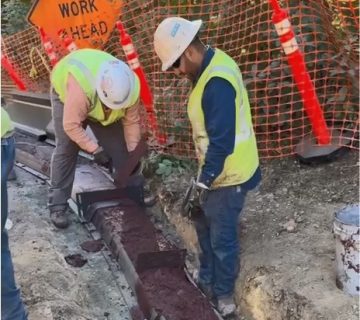
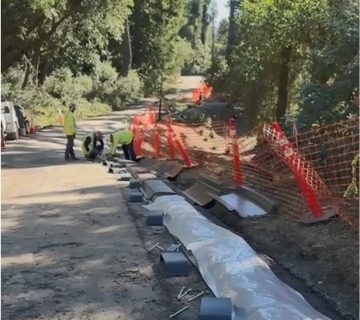
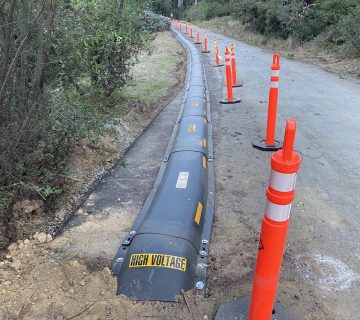
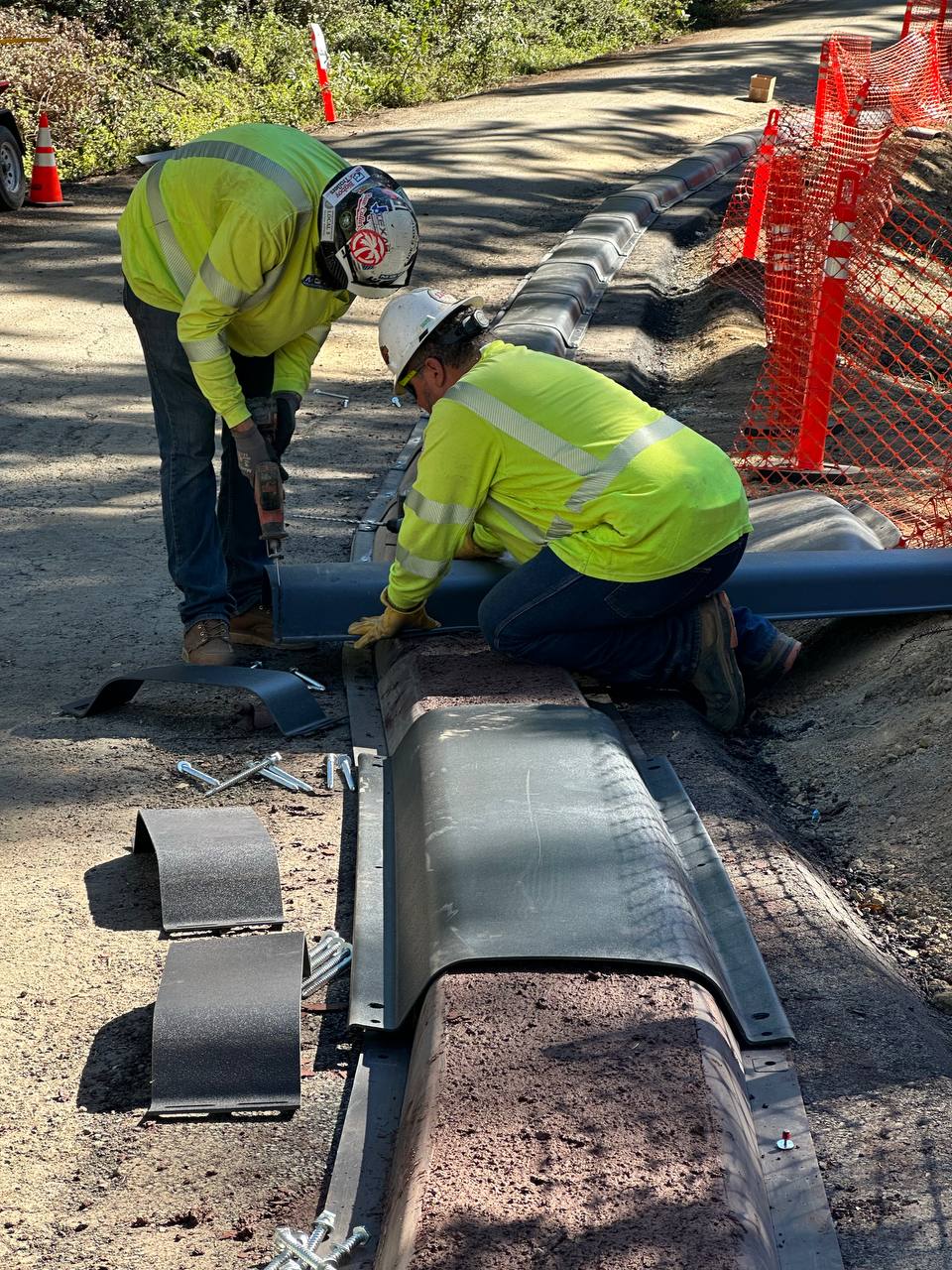
A Ground Level Distribution System (GLDS) is an underground or near ground electrical distribution method that replaces overhead power lines with concealed infrastructure. Instead of poles, wires, and transformers mounted above ground, GLDS systems route power through protected pathways at or below ground level.
This modern approach not only improves reliability but also reduces exposure to environmental risks and physical damage. GLDS is particularly useful in residential communities, commercial developments, and urban environments where safety and visual appeal are priorities.
Limitations of Traditional Overhead Power Lines
To understand why GLDS is superior, it is important to examine the challenges associated with traditional overhead systems.
Vulnerability to Weather
Overhead power lines are highly exposed to environmental conditions. Strong winds, heavy rain, snow, and falling tree branches can easily damage lines and cause power outages. In areas prone to storms or extreme weather, outages can be frequent and costly.
Safety Concerns
Overhead lines pose safety risks, especially in densely populated areas. Downed power lines can create dangerous situations, including electrical hazards and fire risks. Accidental contact with lines during construction or maintenance work is another concern.
Visual Impact
Power lines and utility poles can significantly affect the appearance of neighborhoods and commercial areas. Many homeowners and developers prefer cleaner, more modern landscapes without visible wires and poles.
Maintenance Challenges
Maintaining overhead systems often requires frequent inspections, repairs, and vegetation management. Utility companies must regularly trim trees and address wear and tear, leading to ongoing operational costs.
Key Advantages of GLDS
GLDS addresses many of the issues associated with traditional overhead power lines while offering several additional benefits.
Enhanced Reliability
Because GLDS systems are installed underground or at ground level, they are protected from weather related damage. This significantly reduces the likelihood of outages caused by storms, wind, or debris. As a result, communities experience more consistent and reliable power supply.
Improved Safety
Safety is one of the most important advantages of GLDS. By eliminating exposed wires, the risk of accidental contact is greatly reduced. There are no overhead lines to fall during storms, making the environment safer for residents, workers, and emergency responders.
Aesthetic Appeal
GLDS creates a cleaner and more visually appealing environment. Without overhead wires and poles, neighborhoods can enjoy unobstructed views and improved curb appeal. This is especially valuable in residential developments, parks, and commercial districts where appearance matters.
Reduced Maintenance Costs
GLDS systems require less ongoing maintenance compared to overhead lines. Since the infrastructure is protected from external elements, there is less need for repairs, inspections, and vegetation management. Over time, this can lead to significant cost savings for utility providers.
Increased Property Value
Communities with modern infrastructure and improved aesthetics often see an increase in property values. Homebuyers are more attracted to neighborhoods with reliable power and a clean visual environment, making GLDS an appealing feature for developers.
Environmental Benefits of GLDS
GLDS also offers several environmental advantages that make it a sustainable choice for modern infrastructure.
Less Tree Trimming
Overhead power lines require constant tree trimming to prevent interference. GLDS eliminates this need, allowing trees to grow naturally and preserving green spaces.
Lower Risk of Wildfires
In regions where wildfires are a concern, overhead power lines can be a significant risk factor. Sparks from damaged lines or contact with vegetation can ignite fires. GLDS reduces this risk by keeping electrical components safely enclosed.
Minimal Visual Pollution
By removing poles and wires from the landscape, GLDS reduces visual pollution and contributes to a more natural and attractive environment.
Applications of GLDS
GLDS is versatile and can be implemented in a variety of settings.
Residential Communities
New housing developments are increasingly adopting GLDS to provide reliable power while maintaining a clean and modern look.
Commercial and Retail Areas
Businesses benefit from uninterrupted power and improved aesthetics, which enhance customer experience and brand image.
Urban Infrastructure Projects
Cities looking to modernize their infrastructure can use GLDS to improve safety, reliability, and overall urban design.
Challenges and Considerations
While GLDS offers many benefits, it is important to consider potential challenges.
Initial Installation Costs
Installing a GLDS system can be more expensive upfront compared to traditional overhead lines. However, the long term savings in maintenance and repairs often offset these initial costs.
Planning and Design
GLDS requires careful planning and coordination during installation. Proper design is essential to ensure efficiency and accessibility for future maintenance.
The Future of Power Distribution
As technology continues to advance, the demand for safer, more reliable, and visually appealing infrastructure will only grow. GLDS represents a forward thinking solution that addresses the limitations of traditional overhead power lines while offering numerous benefits.
Conclusion
Ground Level Distribution Systems are transforming the way electricity is delivered. By improving reliability, enhancing safety, and creating a cleaner environment, GLDS provides a superior alternative to traditional overhead power lines.
For communities, developers, and utility providers looking to invest in modern infrastructure, GLDS offers a smart and sustainable solution. As adoption continues to grow, it is clear that GLDS is not just an innovation but a significant step forward in the future of power distribution.