The Benefits of Using Ground Level Distribution Systems (GLDS) for Utility Companies
As utility companies continue to modernize electrical infrastructure, there is growing demand for safer, more resilient, and cost-effective power distribution solutions. Traditional overhead power lines have served communities for decades, but they are increasingly vulnerable to weather events, accidents, maintenance challenges, and aesthetic concerns. Ground Level Distribution Systems (GLDS) are emerging as an innovative alternative that addresses many of these issues while providing significant long-term benefits.
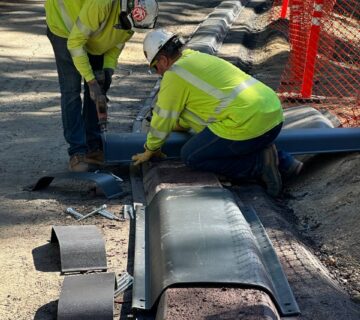
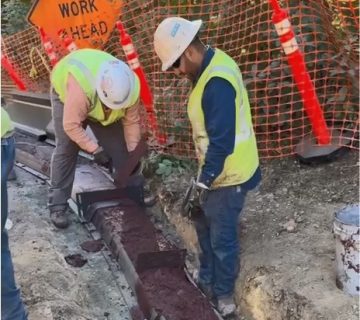
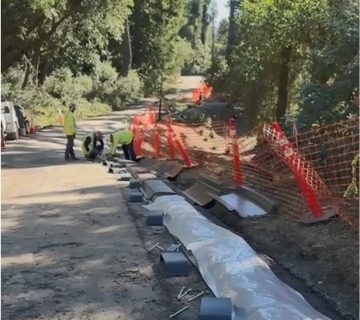
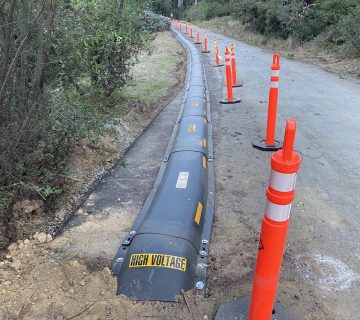
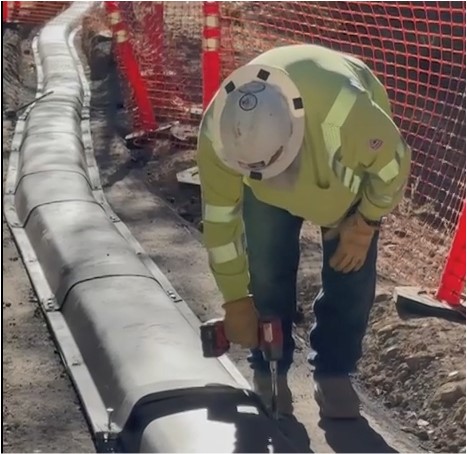
GLDS utilizes electrical distribution lines enclosed within protective conduits that are installed directly at ground level rather than being suspended on utility poles. This unique approach offers utility providers a practical solution for delivering reliable power while reducing many of the risks associated with conventional overhead systems.
Enhanced Reliability and Reduced Power Outages
One of the most significant benefits of Ground Level Distribution Systems is improved reliability. Overhead power lines are constantly exposed to environmental hazards such as high winds, storms, falling tree branches, lightning strikes, and vehicle collisions with utility poles. These events frequently cause power outages that can disrupt homes, businesses, and critical infrastructure.
By placing distribution lines inside durable protective conduits at ground level, GLDS significantly reduces exposure to these external threats. The protected design minimizes damage caused by severe weather and environmental conditions, allowing utility companies to maintain more consistent service and reduce outage frequency.
As communities increasingly depend on uninterrupted electricity for work, communication, healthcare, and technology, enhanced reliability becomes a major advantage for utility providers.
Improved Public Safety
Safety remains one of the highest priorities for utility companies. Traditional overhead electrical systems can present hazards when power lines are damaged or fall to the ground during storms or accidents. Downed power lines create serious risks for pedestrians, motorists, emergency responders, and utility workers.
Ground Level Distribution Systems help mitigate these dangers by housing conductors within enclosed conduits specifically designed to protect electrical infrastructure. Since the conductors are shielded from public contact, the likelihood of accidental exposure is dramatically reduced.
This added layer of protection helps utility companies improve overall system safety while reducing liability concerns associated with damaged overhead lines.
Increased Resilience Against Extreme Weather
Climate-related weather events continue to challenge utility infrastructure throughout the United States. Hurricanes, wildfires, ice storms, tornadoes, and high-wind events have exposed vulnerabilities in traditional overhead distribution systems.
GLDS offers a more resilient solution by reducing exposure to many weather-related threats. Because the conductors are protected within durable conduit systems at ground level, they are less susceptible to damage from strong winds and airborne debris.
For utility companies operating in regions prone to severe weather, investing in Ground Level Distribution Systems can help strengthen grid resilience and improve disaster recovery capabilities.
Lower Long-Term Maintenance Costs
Although the initial installation of a GLDS network may require careful planning and specialized infrastructure, utility companies often benefit from reduced long-term maintenance expenses.
Overhead power systems require ongoing inspections, vegetation management, pole replacement, hardware maintenance, and storm-related repairs. Tree trimming alone can represent a significant annual operating expense for many utility providers.
Ground Level Distribution Systems minimize many of these maintenance requirements. Protected conductors experience less environmental wear and are not affected by tree growth or pole deterioration. As a result, utility companies can allocate fewer resources toward routine maintenance while focusing on system optimization and customer service.
Enhanced Aesthetics and Community Acceptance
Communities increasingly value infrastructure solutions that preserve visual appeal and support modern urban planning goals. Overhead utility poles and power lines can impact scenic views, property aesthetics, and neighborhood design.
Ground Level Distribution Systems offer a cleaner and more visually appealing alternative. By eliminating the need for many overhead structures, GLDS helps create a more attractive streetscape while reducing visual clutter.
This can be particularly beneficial in residential developments, commercial districts, tourism destinations, waterfront communities, and historic neighborhoods where aesthetics are a major consideration.
For utility companies, increased community acceptance can simplify project approvals and improve public perception of infrastructure modernization initiatives.
Faster Restoration and Infrastructure Access
Modern GLDS designs often incorporate strategically placed access points that allow utility personnel to inspect, repair, or upgrade sections of the distribution network efficiently.
Because the infrastructure is organized within dedicated conduit pathways, technicians can often identify and isolate issues more effectively than with complex overhead systems. This can reduce repair times and help restore service more quickly when problems occur.
Utility companies benefit from improved operational efficiency while customers experience fewer disruptions and faster recovery following service interruptions.
Reduced Risk of Wildfire Ignition
Wildfire prevention has become a critical concern for utility providers, particularly in regions with dry climates and elevated fire risk. Damaged overhead power lines have been identified as a potential source of wildfire ignition in certain situations.
Ground Level Distribution Systems significantly reduce this risk by enclosing electrical conductors within protective conduit systems. By limiting exposure to vegetation, falling debris, and high winds, GLDS can help utility companies strengthen wildfire mitigation efforts and enhance public safety.
This benefit is especially valuable in fire-prone areas where utilities face increasing regulatory scrutiny and infrastructure hardening requirements.
Future-Ready Infrastructure for Grid Modernization
As utility companies embrace smart grid technologies, renewable energy integration, and expanding electrification demands, modern distribution infrastructure becomes increasingly important.
Ground Level Distribution Systems provide a flexible platform for future upgrades and technological advancements. The protected conduit network can support evolving electrical distribution needs while accommodating new monitoring, communication, and grid management technologies.
By investing in GLDS, utility companies position themselves to meet future energy demands while improving reliability, efficiency, and customer satisfaction.
Conclusion
Ground Level Distribution Systems represent a forward-thinking approach to electrical power distribution that addresses many of the challenges associated with traditional overhead infrastructure. From improved reliability and public safety to lower maintenance costs, enhanced aesthetics, and greater resilience against extreme weather, GLDS offers numerous advantages for modern utility companies.
As the energy industry continues to evolve, utility providers are seeking innovative solutions that improve service quality while reducing operational risks. Ground Level Distribution Systems provide a practical and future-ready alternative that supports long-term infrastructure modernization goals, helping utilities build stronger, safer, and more reliable electrical networks for the communities they serve.