
For more than a century, overhead power lines have been the backbone of electrical distribution systems across cities and rural communities. While these systems have played a critical role in powering homes and businesses, they also come with significant challenges, including safety risks, weather vulnerability, and high maintenance demands. Today, a new approach is gaining attention as a smarter alternative—Ground Level Distribution Systems (GLDS). This innovative method is reshaping how energy is delivered, offering a safer, more efficient, and visually appealing solution for modern infrastructure.
The Limitations of Overhead Power Lines
Traditional overhead power lines are exposed to the elements, making them susceptible to damage from storms, high winds, falling trees, and extreme temperatures. These disruptions often lead to power outages that can affect thousands of customers at once. In regions prone to wildfires, overhead lines can also pose a serious risk, as sparks or downed lines may ignite dry vegetation.
Safety is another concern. Overhead lines can be hazardous to both the public and utility workers. Accidental contact, equipment failure, or structural collapse can result in injuries, property damage, and costly repairs. Additionally, the visual impact of overhead lines and poles can detract from the natural beauty of neighborhoods and commercial areas.
As communities grow and energy demands increase, the need for a more resilient and efficient distribution system becomes clear. This is where Ground Level Distribution Systems (GLDS) come into play.
What Is a Ground Level Distribution System (GLDS)?
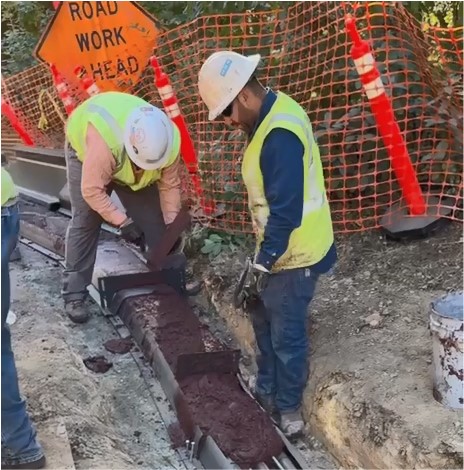
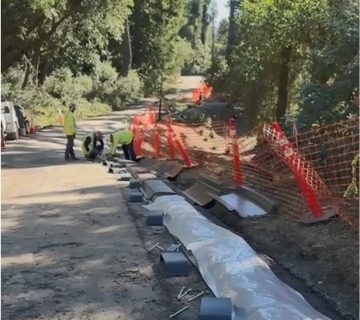
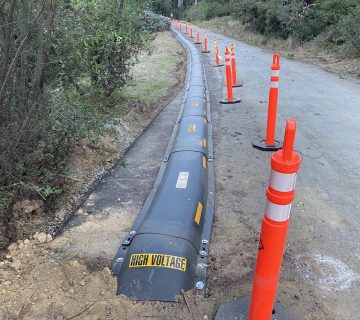
A Ground Level Distribution System (GLDS) is an advanced method of delivering electrical power through infrastructure installed at or near ground level, rather than suspended overhead. Unlike traditional underground systems that require extensive trenching, GLDS solutions are designed to be more accessible, modular, and easier to maintain.
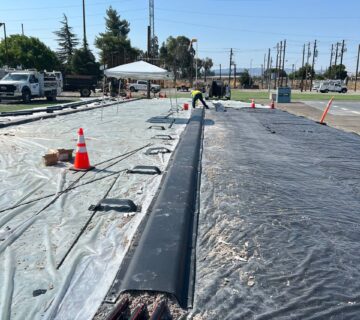
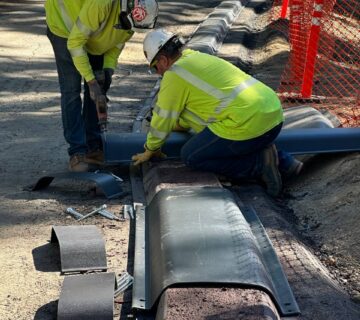
GLDS typically uses enclosed, protected channels or conduits that house electrical cables along sidewalks, roadways, or designated utility corridors. These systems are engineered to withstand environmental stress while allowing for quick access during maintenance or upgrades.
Enhanced Safety for Communities
One of the most compelling advantages of GLDS is improved safety. By eliminating overhead lines, the risk of accidental contact with live wires is significantly reduced. This is especially important in densely populated areas, construction zones, and locations with high pedestrian traffic.
GLDS also minimizes fire hazards. Since the electrical components are contained within protective enclosures at ground level, the chances of sparks or line failures igniting nearby vegetation are greatly decreased. For regions that frequently experience wildfires, this can be a game-changing improvement in public safety.
Greater Reliability and Resilience
Reliability is a key factor in modern energy infrastructure. Overhead power lines are often the first to fail during severe weather events. In contrast, GLDS is designed to be more resilient against environmental factors such as wind, ice, and falling debris.
Because GLDS components are housed in durable, ground-level systems, they are less likely to suffer catastrophic damage. This leads to fewer outages and faster restoration times when issues do occur. Additionally, the modular design of GLDS allows for easier system expansion and upgrades, making it well-suited for growing communities and evolving energy needs.
Cost Efficiency and Easier Maintenance
While the initial installation of new infrastructure always requires investment, GLDS can offer long-term cost savings. Maintenance is simpler and more efficient because technicians can access the system without the need for specialized equipment such as bucket trucks or extensive excavation.
Repairs can often be completed more quickly, reducing labor costs and minimizing disruptions to service. Over time, the reduced frequency of outages and damage-related repairs can result in significant savings for utility providers and municipalities.
Aesthetic and Environmental Benefits
Beyond safety and efficiency, GLDS also contributes to cleaner and more attractive urban and suburban environments. Removing overhead lines and utility poles can dramatically improve the visual appeal of streets, neighborhoods, and commercial districts.
From an environmental perspective, GLDS reduces the need for tree trimming and vegetation management that is typically required to keep overhead lines clear. This helps preserve natural landscapes and supports healthier ecosystems.
Supporting the Future of Energy
As the energy landscape evolves, infrastructure must adapt to support new technologies such as renewable energy sources, electric vehicles, and smart grid systems. GLDS provides a flexible foundation for integrating these innovations.
The system’s design allows for easier incorporation of additional cables, sensors, and communication lines, making it ideal for smart city applications. With increasing demand for reliable and sustainable energy solutions, GLDS positions communities for long-term success.
Conclusion
The transition from traditional overhead power lines to Ground Level Distribution Systems (GLDS) represents a significant step forward in energy infrastructure. By prioritizing safety, reliability, efficiency, and aesthetics, GLDS addresses many of the challenges associated with conventional power distribution.
As cities and utilities continue to seek innovative solutions, GLDS stands out as a forward-thinking approach that aligns with the needs of modern communities. With its ability to reduce risks, improve performance, and support future technologies, GLDS is poised to play a key role in shaping the next generation of safer and more resilient energy systems.
: The Future of Safer Energy Infrastructure)